
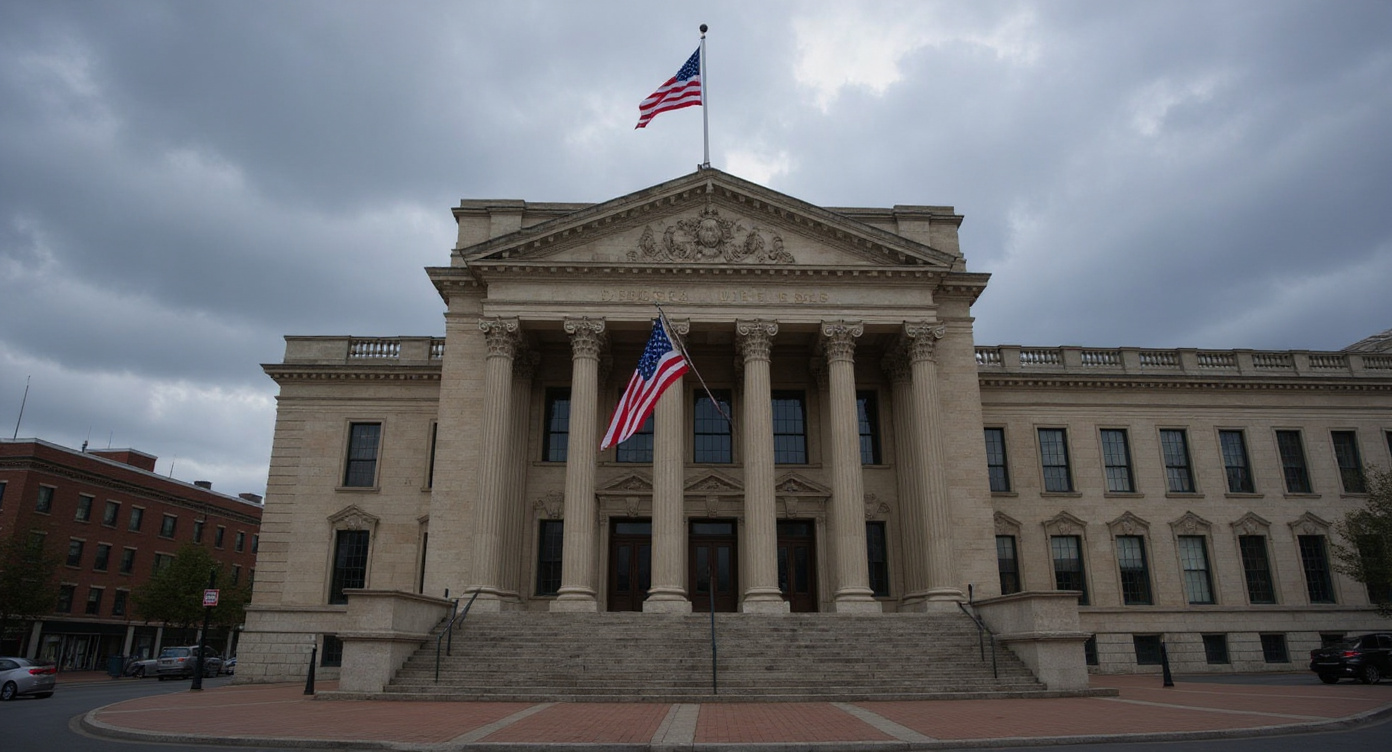
On Friday, U.S. District Judge Brian Murphy in Massachusetts blocked the termination of Temporary Protected Status for an estimated 26,700 Ethiopian nationals — exactly one month after the Supreme Court ruled 6-3 in Mullin v. Doe that the executive branch has the authority to end TPS designations. Murphy has been overruled by the Supreme Court twice before. He issued the stay anyway.
He wasn't alone. Senior Judge Patti Saris, also in Massachusetts, issued a separate stay on the same day.
The case — African Communities Together v. Mullin — is the latest in a string of lower-court blocks against the Trump administration's immigration enforcement. DHS had designated 13 of 17 TPS countries for termination, affecting roughly 1 million migrants nationwide. The Ethiopian designation, which took effect on December 12, 2022, was originally set to expire on December 12, 2025. Former DHS Secretary Kristi Noem announced its termination with a 60-day wind-down period, scheduling the end date for February 13, 2026.
Then the district courts got involved.
After the Supreme Court's Mullin v. Doe decision dismantled the Administrative Procedure Act basis for blocking TPS terminations, Murphy pivoted to constitutional claims — a new theory to reach the same old result. The destination never changes. Only the route.
This is the pattern Biden's judicial appointments were designed to create. Stack the district courts with ideologically aligned judges who will issue nationwide injunctions on any immigration enforcement action, then let the appeals process burn months or years of clock. By the time the Supreme Court slaps it down — as it did 6-3 in June — another judge in another district has already filed the next block. The June 25 ruling in Mullin v. Doe was supposed to settle this. A month later, two judges in Massachusetts treated it like a suggestion.
Murphy's own words from an earlier ruling tell you everything about how he sees his role. "Fundamental to this case, and indeed to our constitutional system, is the principle that the will of the President does not supersede that of Congress," he wrote. He also wrote that "presidential whims do not and cannot supplant agencies' statutory obligations." The Supreme Court disagreed, 6-3. Murphy kept ruling the same way.
DHS General Counsel James Percival responded on X with a pointed reminder of what judicial overreach actually costs. "Remember when that district judge rerouted a plane with child rapists headed for South Sudan?" Percival wrote. "The judge made ICE land in Djibouti to face Malaria and terrorist rocket attacks from Yemen."
Mike Davis, founder of the Article III Project, called it plainly: "These Democrat operatives in robes do not have the power to do this. The Supreme Court just made that crystal clear." Conservative commentator Ann Coulter went further: "These puny little district court judges have been overruled so many times by the supreme court, especially on immigration, I think it's time for the president to take his constitutional oath seriously."
When one judge can overrule nine, the math isn't the problem. The system is.