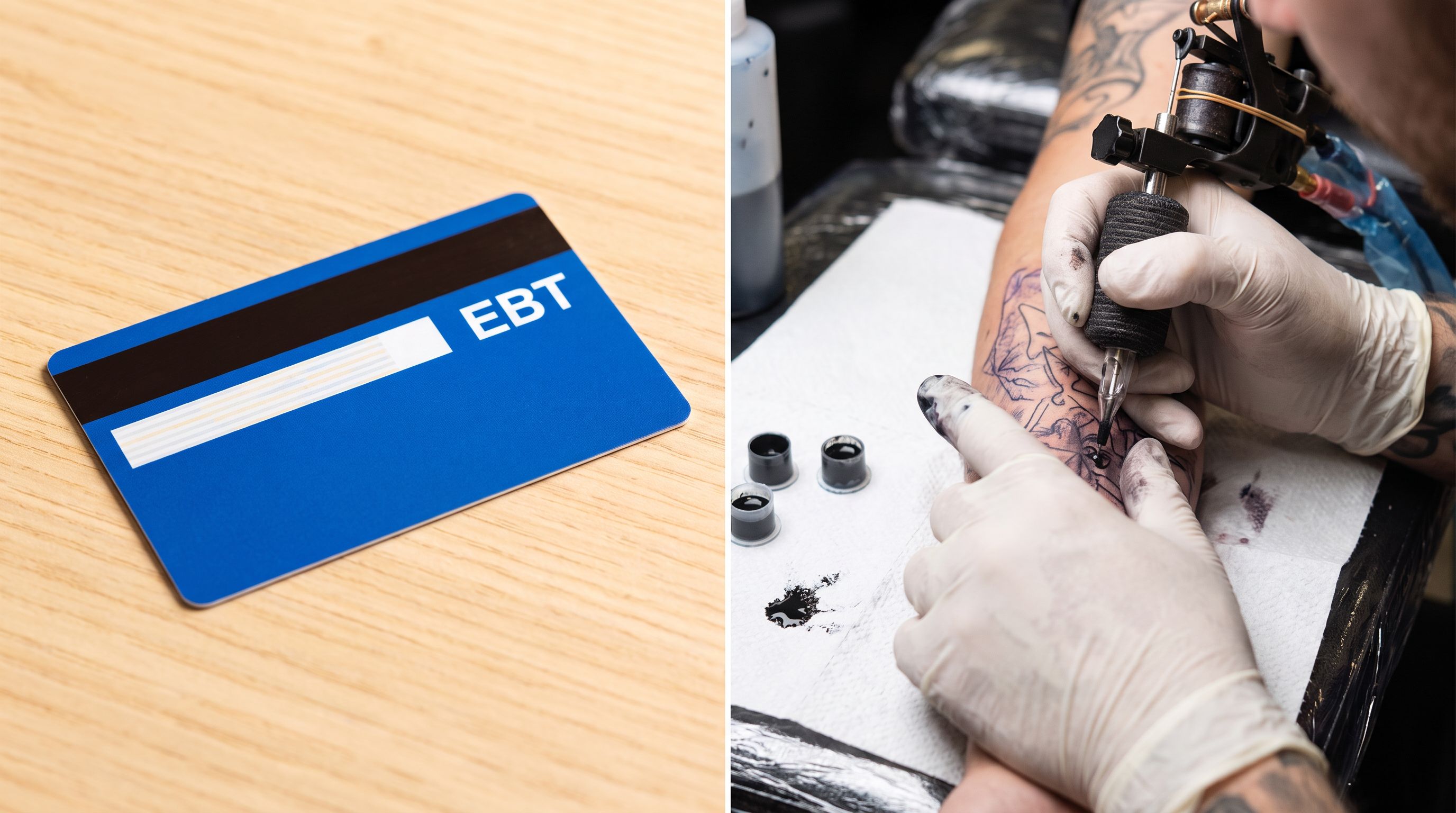
Somewhere in Florida, a taxpayer-funded EBT card was being swiped at a tattoo parlor. Somewhere else, it was buying theme park tickets. Somewhere else, video games. And until this week, every single one of those transactions was perfectly legal.
Florida just became the first state in the nation to say no.
Gov. Ron DeSantis signed legislation making Florida the first state to formally ban welfare recipients from spending Temporary Cash Assistance — the state's version of the federal Temporary Assistance for Needy Families program — on what the federal government's own HHS Administration for Children and Families calls "inappropriate, luxury and non-essential purchases." The banned list includes tattoos, video games, theme park tickets, vaping products, and — this is real — psychic and fortune-telling services.
Yes. Before this law, you could theoretically use your government-issued benefits card to have your palm read. With money that came out of someone else's paycheck.
The TANF program is federally funded but state-administered, which means every state sets its own rules on what recipients can and can't buy. Most states set almost no rules at all. SNAP — the food-assistance program — already restricts purchases to groceries. But Temporary Cash Assistance lands on an EBT card as actual cash, spendable almost anywhere that takes a debit card. The distinction matters. SNAP has guardrails. TCA, in 49 other states, essentially doesn't.
The HHS Administration for Children and Families under the Trump administration issued guidance using the phrase "common-sense restrictions" to describe exactly the kind of limits Florida just enacted. Common-sense restrictions. The federal agency that oversees the program used those words. Florida is the first state to actually listen.
The criticism will write itself. "Cruel." "Paternalistic." "Targeting the vulnerable." The argument will be that poor people deserve dignity, and dignity means not having the government micromanage their purchases. That framing requires you to ignore a fairly important detail — the money isn't theirs. It's a transfer from working taxpayers to people in need, with the stated purpose of covering basic necessities while they get back on their feet. Tattoos are not basic necessities. Neither is a day at a theme park. And if the counterargument is that so few people actually spend welfare on these things that the law is unnecessary, then the law costs nothing and there's no reason to oppose it.
The deeper issue is what TCA was always supposed to be — temporary. Cash assistance to bridge a gap. The program works when it helps someone stabilize and re-enter the workforce. It fails when it becomes a lifestyle subsidy with no strings attached. Florida's law doesn't cut benefits. It doesn't reduce eligibility. It doesn't change a single dollar amount. It just says: spend it on what it's for.
Forty-nine other states still allow welfare dollars to flow to tattoo shops, amusement parks, and fortune tellers. Florida looked at that and decided to be the first one to treat taxpayer money like it belongs to taxpayers.
First usually means alone for a while. But "common-sense restrictions" have a way of spreading — once one state proves the sky doesn't fall, the excuses in the other 49 get a lot harder to maintain.