In 2015, David Martosko — the Daily Mail's U.S. Political Editor and the designated national print pool reporter — showed up to cover a Hillary Clinton campaign event at the YMCA of Strafford County in Rochester, New Hampshire. A Secret Service agent met him with four words: "No. You can't come in."
That's the woman now lecturing us about press freedom.
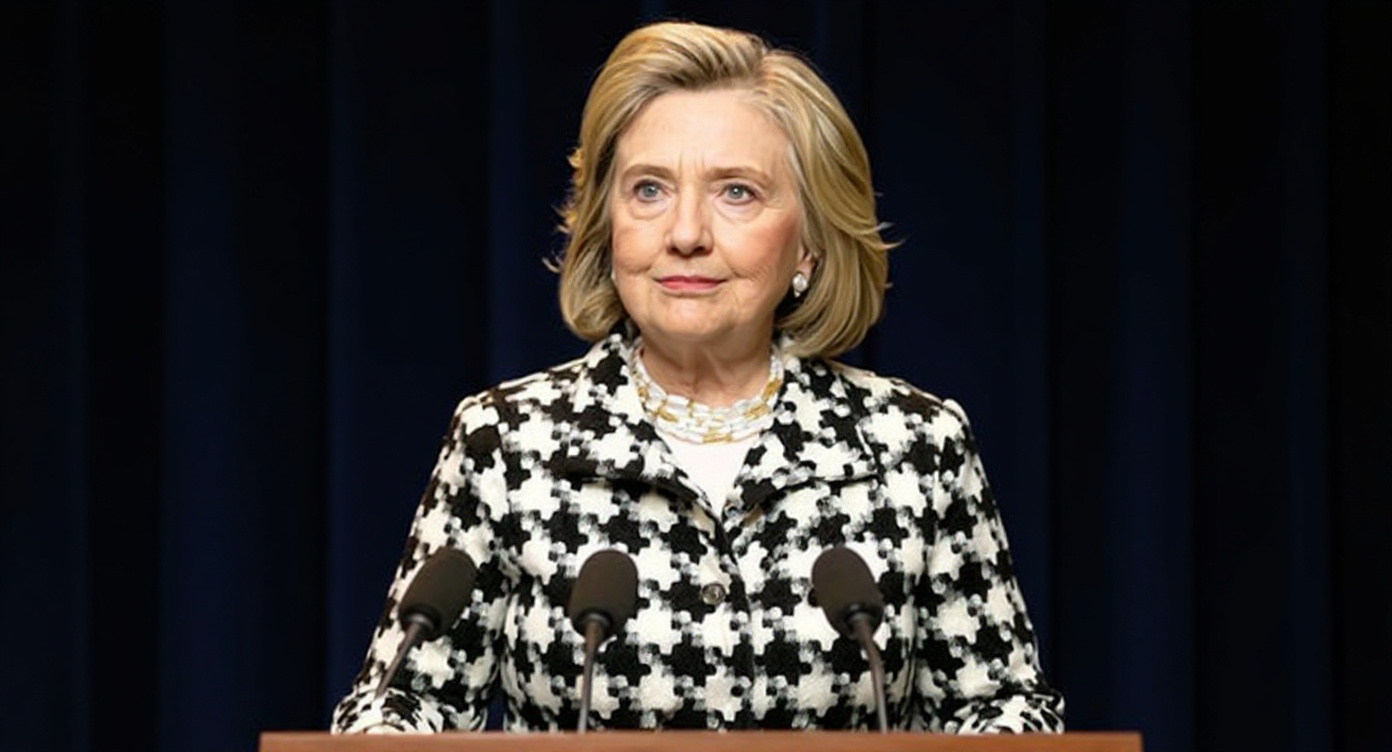
Clinton sat down with the Washington Post this week and delivered what she apparently considers a deeply serious warning about the state of American journalism. "Honestly, every day that goes by, another unconstitutional, illegal action takes place on the part of this administration," she said. "And this latest one is so troubling because kicking out news organizations from covering the administration from the White House really sends a signal that everything is at risk."
The "latest one" she's referencing is the Trump administration's decision to pull White House credentials from CNN, MSNBC, and Politico. Clinton framed it as an existential threat. "Freedom of the press... is a cornerstone. I mean, it is at the core of who we are as Americans."
Cornerstone. Core. Who we are.
So about that 2015 incident. Martosko wasn't some random blogger trying to crash a rope line. He was the designated pool reporter — the journalist selected by the entire press corps to represent all outlets at events with limited access. Clinton's team blocked him anyway. The White House Correspondents Association protested. The campaign didn't budge. The reporter the entire press pool agreed should be there was turned away because Clinton's people didn't want him there.
That wasn't the only time her side played this game. During the Obama administration, 38 news organizations — including outlets from across the political spectrum — signed a formal letter of protest accusing the White House of restricting independent photojournalists' access to presidential events. Thirty-eight outlets. Not conservative media. Not fringe blogs. Mainstream organizations that had covered every president for decades, told collectively that the administration's own photographers would handle it from here.
The letter went to Jay Carney, Obama's Press Secretary at the time. The White House adjusted some policies around the margins. The complaint itself was largely memory-holed.
Clinton served in that administration. She didn't resign over press access. She didn't give interviews warning that everything was at risk. She didn't use the word "cornerstone" once.
The irony runs deeper than the personal history. CNN — one of the outlets now banned from the White House — has maintained what independent media trackers have measured at roughly 90% negative coverage of Trump. The question Clinton never addresses is whether a press corps functioning as opposition research deserves the same institutional deference as one attempting to report. She skips that part entirely because acknowledging it would require defending the coverage itself, and nobody — not even Clinton — wants to stand behind CNN's editorial choices on camera.
The Martosko incident is useful because it strips the principle down to its moving parts. Clinton didn't ban the Daily Mail from all campaign events. She didn't issue a policy statement about credentialing standards. She had a Secret Service agent physically block a designated pool reporter from walking through a door at a YMCA in New Hampshire. No statement. No process. Just: you're not coming in.