
New York Governor Kathy Hochul stood in front of a crowd this week and said something elected officials usually have the good sense to keep to themselves. "We will continue to stand up to the Trump administration and say that ain't going anywhere, Mr. President. We are keeping our congestion pricing!"
She didn't say "we're keeping it because it's good infrastructure policy." She said we're keeping it because Trump doesn't want it.
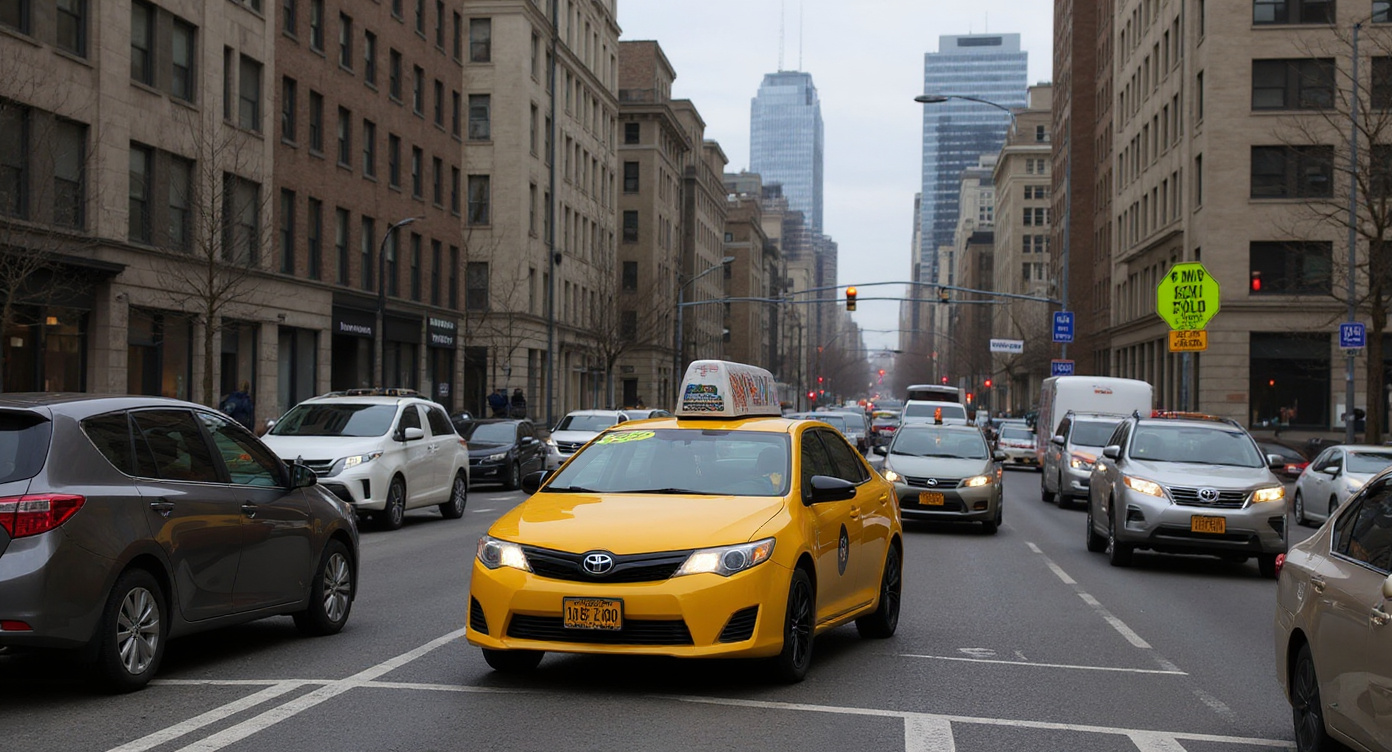
The congestion pricing program charges drivers a toll to enter Manhattan's congestion zone. Hochul framed it as a win, telling supporters, "You are an important part of us getting congestion pricing over the line. Thank you very much." Then she dropped the number: 27 million fewer cars on the roads. That's the policy justification, and it came second. The Trump defiance came first.
The Trump administration had previously moved to pull federal approval of the program, with Transportation Secretary Sean Duffy challenging the toll structure. The MTA and Hochul fought to keep it alive. A federal judge sided with New York. The toll survived. And now Hochul is using it as a trophy in her resistance campaign.
Here's what that looks like on the ground. You live in Brooklyn. You need to pick up your kid from school in Manhattan. You're paying a toll for the privilege of driving in your own city. And your governor just told you, publicly, that one of the reasons she's so enthusiastic about that toll is that it irritates the President of the United States.
This is the governing philosophy distilled to its purest form: tax your own residents to own Donald Trump. Not to fix the subway. Not to reduce emissions. Not to fund transit infrastructure. To "stand up to" a political opponent. Hochul characterized the Trump administration's earlier opposition as "an attack on our sovereign identity, our independence from Washington" — which is a remarkable thing to say about a toll on commuters.
The irony is that congestion pricing was originally sold as a practical, data-driven policy. Fewer cars, cleaner air, faster buses, funded transit. Those might even be real benefits. But when the governor herself frames the program's survival as an act of political defiance rather than a transportation achievement, she's telling voters exactly what's driving the bus.
New Yorkers who actually have to navigate these tolls every day noticed. Social media filled with residents pointing out that they're being taxed for driving through their own neighborhoods, visiting family in other boroughs, or commuting to work — while their governor celebrates the policy as a political statement.
This is the same party that mocked Donald Trump in 2024 for proposing to eliminate taxes on tips, then watched Kamala Harris adopt the same idea months later. The pattern isn't complicated. If Trump is for it, they're against it. If Trump is against it, they'll tax you for it.
Twenty-seven million fewer cars is a statistic. A governor bragging that her toll exists to defy a president is a confession.