
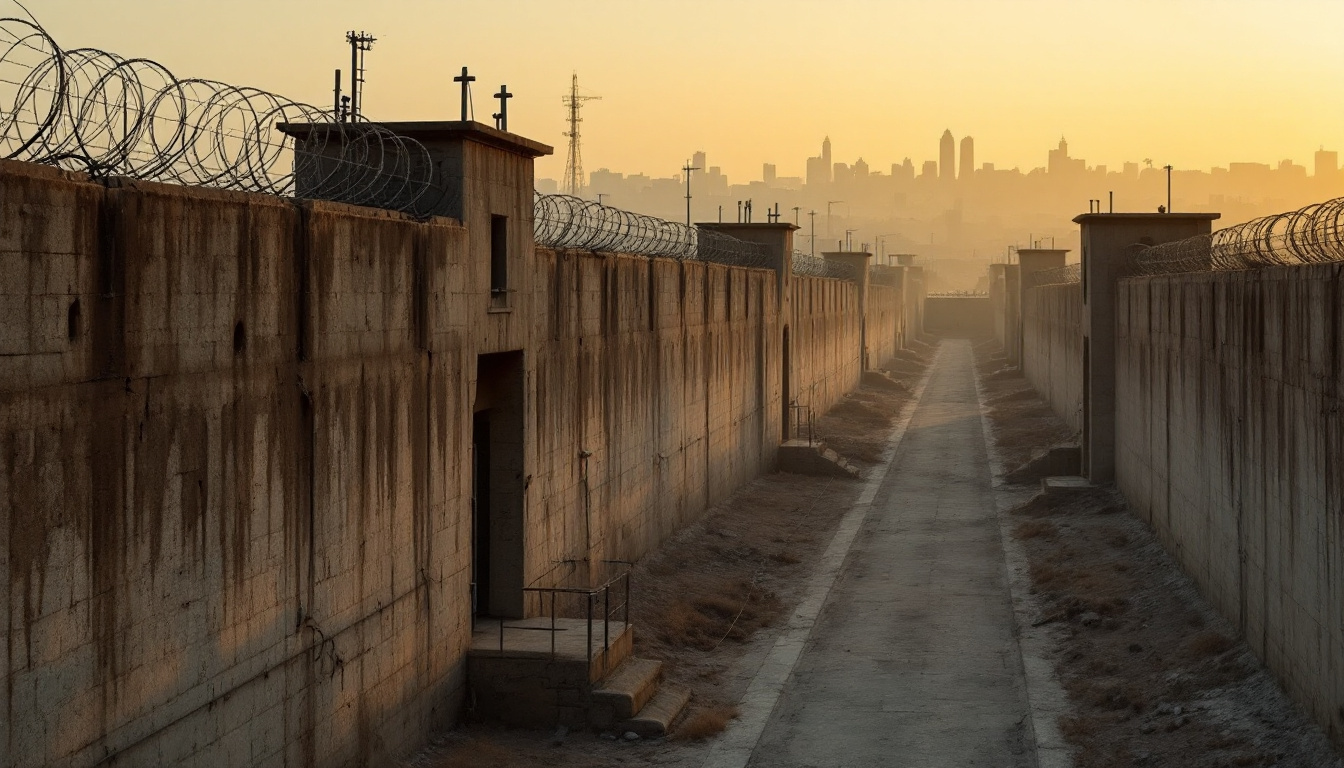
Erfan Esfandiari was eighteen years old. Gol-Mohammad Mohammadi was twenty-three. On July 19, 2026, the Iranian regime hanged both of them at dawn inside Dastgerd Prison in Isfahan.
Their crime was showing up at Alikhani Square during the January 2026 uprising.
The charges, according to Iran's Mizan News Agency, included "involvement in deaths of 4 law enforcement officers, carrying firearms and cold weapons, destroying a police station with intent to overthrow regime." That last phrase is the one that matters. In the Islamic Republic, "intent to overthrow regime" means you stood in a street and refused to leave when the Basij started shooting.
Mohammadi, it's worth noting, was an Afghan citizen. Not even Iranian. He lived in Isfahan, got swept up in the protests, and six months later was dangling from a rope in a prison he probably couldn't find on a map before January. The regime didn't care about his nationality. They cared about the message.
And the "trial" that produced these death sentences was exactly what you'd expect from a theocratic dictatorship playing dress-up with a legal system. Iran Human Rights Monitor documented the process: three one-hour court sessions. Defense attorneys denied access to the case files. CCTV evidence dismissed without explanation. Confessions allegedly extracted under torture. Some proceedings conducted by video conference, because apparently even the judges didn't want to look these kids in the eye.
Three hours. That's what the Islamic Republic of Iran considers due process for a capital case against a teenager.
Esfandiari and Mohammadi aren't alone. They're the third and fourth protesters executed in a single week. Aref Khoshkar was hanged at Qezel Hesar Prison. Mohammad Amini Dehaqani was executed in Isfahan. Four young men, seven days, all connected to the January uprising that the regime has spent six months trying to erase from history.
And they're not done. Ten more defendants from the same Alikhani Square case sit on death row right now. Alireza Sepahi, age 24, has four separate death sentences hanging over him. His brother Abolfazl, 23, has three. Shervin Bagherian is eighteen — the same age Esfandiari was — and has two. The youngest on the list, Abolfazl Ebrahimi, is also eighteen, with one death sentence waiting.
Iran Human Rights Monitor issued a warning on July 13 calling for a UN Human Rights Council intervention, diplomatic pressure, and an execution moratorium. The response from the international community has been the usual: statements of concern, furrowed brows, absolutely nothing that would inconvenience anyone at the negotiating table.
This is the same regime, remember, that the previous administration spent years trying to hand a nuclear deal and billions in frozen assets. The same government that American academics describe as "misunderstood" and European diplomats treat as a legitimate negotiating partner. The same theocracy that has killed an estimated 42,000 protesters across two days of crackdowns and arrested tens of thousands more.
Four executions in a week. Ten more defendants awaiting the same fate. Eighteen-year-olds with multiple death sentences from three-hour trials where the defense couldn't see the evidence.
Somewhere in the State Department archives, there's probably still a draft memo about Iran's "evolving human rights posture."