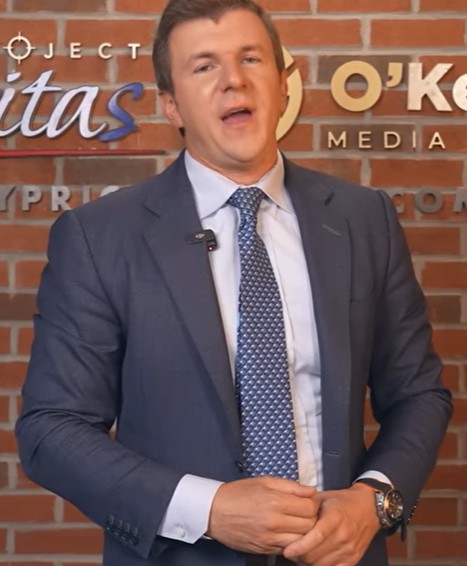
James O'Keefe went undercover in Minnesota. He dressed as a Muslim, walked into the state's election system, and captured voter fraud on camera. The footage exists. The evidence is on tape.
The response from Islamic advocacy groups was immediate. Not outrage at the fraud. Outrage at the camera.
O'Keefe, the undercover journalist who has spent years exposing institutional corruption through hidden-camera investigations, infiltrated what he described as a voter fraud operation in Minnesota. The investigation, reported by Louder with Crowder, showed O'Keefe disguising himself to gain access to the operation and document the fraud firsthand. The result was footage that raised serious questions about election integrity in a state that has faced scrutiny over its voting procedures before.
The Islamic advocacy organizations that responded didn't contest the substance of what was filmed. They didn't deny the fraud. They didn't call for an investigation into the conduct O'Keefe documented. They called for O'Keefe to be prosecuted.
That's worth sitting with for a second. The man with the camera is the criminal. The people on the tape are the victims.
This is a pattern so familiar in American politics it barely qualifies as news anymore. Expose wrongdoing, and the machinery doesn't address the wrongdoing — it addresses the exposure. The target shifts from the act to the actor who revealed it. The whistleblower becomes the defendant. The journalist becomes the threat. The fraud becomes a footnote.
Minnesota has a complicated recent history with election integrity questions. The state operates under same-day voter registration, which advocacy groups have praised for accessibility and critics have flagged as vulnerable to abuse. O'Keefe's investigation lands in a state where the conversation about voting procedures was already live — and where political organizations have strong incentives to keep that conversation from getting louder.
The demand to prosecute O'Keefe rather than investigate the fraud he documented tells you everything about the priorities at work. If the footage was fabricated, that would be one thing. Call it fake, produce counter-evidence, demand a retraction. But that's not what happened. The response skipped past the content of the investigation entirely and went straight to punishing the investigator.
O'Keefe's methods have always been controversial. Undercover journalism is inherently confrontational, and his critics have spent years arguing that his tactics cross ethical lines. That's a legitimate debate to have — about journalism, about consent, about when deception in service of a story is justified. But that debate is separate from whether the fraud he documented is real. You can question the method and still have to deal with the evidence.
The groups demanding prosecution aren't interested in that distinction. For them, the investigation itself is the offense. The fraud is secondary. The camera is the crime.
Election integrity isn't a partisan issue until someone films it. Then it becomes a hate crime to ask questions.
Minnesota's voter fraud problem didn't start with James O'Keefe, and prosecuting the journalist won't make it go away. It just means the next person who finds something won't bother turning on the camera.