
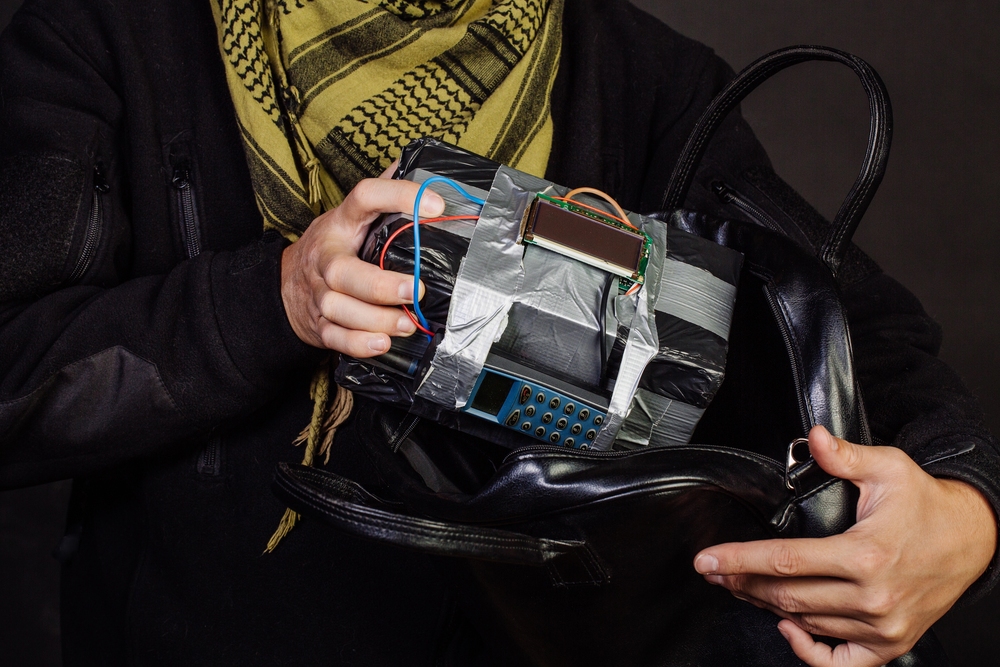
Rayden Tanner Coleman, 19, of Columbia City, Oregon, stood before Judge Michael T. Clarke in Columbia County Circuit Court on September 2 and admitted in his own plea petition that he "unlawfully and knowingly assembled, produced, or manufactured two destructive devices." Those devices were bombs. Their intended targets were federal immigration agents.
His sentence: 36 months of supervised probation and $550 in court fines.
Coleman had served 75 days in jail before the plea deal was finalized. As part of the agreement, 13 additional charges were dismissed — including domestic terrorism in the second degree, attempt to commit a Class B felony, and multiple counts of possessing destructive devices. What remained were two counts of unlawful manufacture of a destructive device, a Class C felony under Oregon law.
According to police, Coleman "allegedly acknowledged making statements about killing officers but claimed some of the comments were made in anger." He wasn't just running his mouth on social media. He was purchasing an AR-style rifle through monthly installments from a local dealer. He hoped to inspire others to join something he called the "Cascadia Rangers" — his own militia, built around targeting federal law enforcement.
So to recap: two homemade bombs, a rifle purchase plan, a stated goal of killing ICE agents, a self-styled militia recruitment effort, and an admission under oath. The reward for all of that ambition was probation, a modest fine, and a judicial system that apparently considers bomb-building a youthful indiscretion.
Twitchy reported the sentencing on September 3, and the reaction was immediate. Law enforcement groups and conservative commentators pointed to the obvious question nobody in that Oregon courtroom seemed interested in asking: what would have happened if the targets had been different?
Swap "ICE agents" for "FBI agents" and run the scenario in 2014. A teenager constructing explosive devices to kill federal law enforcement, stockpiling weapons, recruiting for a militia — that kid sees the inside of a federal courtroom, not a county one. The charges don't get pled down to a pair of Class C felonies. The word "terrorism" doesn't quietly vanish from the docket.
But ICE agents occupy a peculiar category in the current legal imagination. They're federal officers when it's time to cite their authority, and acceptable targets when it's time to sentence the people who want to kill them. The same political class that spent years calling ICE "fascist" and encouraging protests at agents' homes now presides over a system where building bombs to murder those agents is worth less prison time than a second DUI in most states.
Thirteen charges dismissed. Domestic terrorism — dismissed. The plea deal didn't just reduce the consequences. It scrubbed the vocabulary. A teenager who built bombs to kill federal agents walked out of court classified as something less than a terrorist.
That's not a sentencing. That's an editorial decision.