
Payton McNabb was 17 years old when a volleyball spiked by a biological male on the opposing girls' team slammed into her. The hit gave her a concussion, a brain bleed, partial paralysis on her right side, and vision and balance problems she's still dealing with more than three years later. It also ended her dream of playing collegiate softball.
Seven inches. That's how much higher a men's volleyball net sits than a women's. The accommodation exists because biology is real. Payton McNabb learned that the hard way.
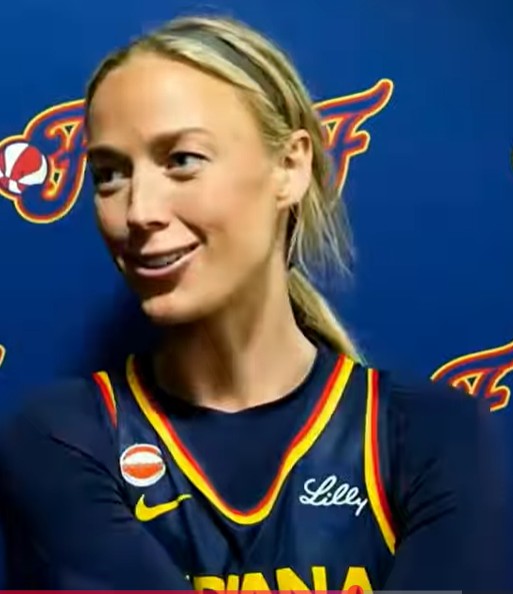
Now McNabb, who serves as a sports ambassador for Independent Women, is speaking out to praise Indiana Fever guard Sophie Cunningham for doing something almost nobody in professional women's sports has been willing to do — say the obvious out loud. McNabb said Cunningham "didn't wait until it was easier, until it was safe to speak out," adding, "Her career is taking off right now, and she still used her platform to stand up for women and girls."
Cunningham made national headlines when she told ESPN, "When it comes to protecting young girls in sport and women in sport, I feel very strongly about that. That's why you have Title IX. That's why you have some of the greats in women's sports." When the backlash came — and it came fast — she didn't flinch. "I said what I said. I think it's kind of common sense... I'll always believe in that."
The WNBA's response was instructive. Cunningham was booed on her first touch during a game. Two teenage who showed up wearing shirts and held posters thanking Cunningham for sticking up for girl athletes were sworn at and cussed out by the Seattle Storm's WNBA's co-owner. The league that markets itself as a safe space for women apparently draws the line at women who think women's sports should be for women.
McNabb pointed out the fragility of the current protections. President Trump signed an executive order restricting participation in women's sports based on biological sex, but McNabb isn't celebrating. "It's definitely a step in the right direction, but it's not permanent," she said, advocating instead for state-level legislation that can't be reversed by the next administration. "Everything that happened to me was 100% avoidable," she added. "The adults failed us completely."
What makes this story larger than one volleyball hit or one ESPN interview is the pattern it reveals. The athletes who've actually been hurt — McNabb with her brain injury, the girls who lost scholarships to male competitors — are the ones speaking up. The athletes with the biggest platforms and the least to lose personally are the ones going quiet or actively mocking the concern. Congressman Seth Moulton, a Massachusetts Democrat, briefly expressed worry about his own daughters competing against males, then reversed himself and apologized. The pattern is clear: say the right thing, get screamed at, recant. Sophie Cunningham broke the cycle.
There are no transgender women currently playing in the WNBA. The 2026 collective bargaining agreement states that "only players who are women are eligible to play in the WNBA" but never defines the term. So the league already operates on the same biological reality Cunningham stated. They just don't want anyone to say it out loud.